

The Three Developments Pushing Autonomy in UAVs | Part 1: Deep Pressure on Interceptor Designs
How the measure-countermeasure cycle in deep strike is shaping AI and autonomy.

Welcome back. In this miniseries, I will be highlighting the overlooked but dominant drivers of UAV autonomy, all three of them. We’re starting with deep strike, but not in the sense of deep strike autonomy (we’ll get to that), but with the pressure deep strike/long-range one-way attack unmanned aerial vehicles (OWA UAV) are putting on interceptor drones, and how this is driving the development of more (and differently, as we’ll see) autonomous interceptors, which in turn drives the development of autonomy in the entire field of UAVs. With an outlook on what I think the next big developments in deep strike drones and interceptors will (have to) produce. I won’t go into details about the underlying technologies and fundamentals of how autonomy in UAVs works, because I already did that at length, and it’s included in your subscription.
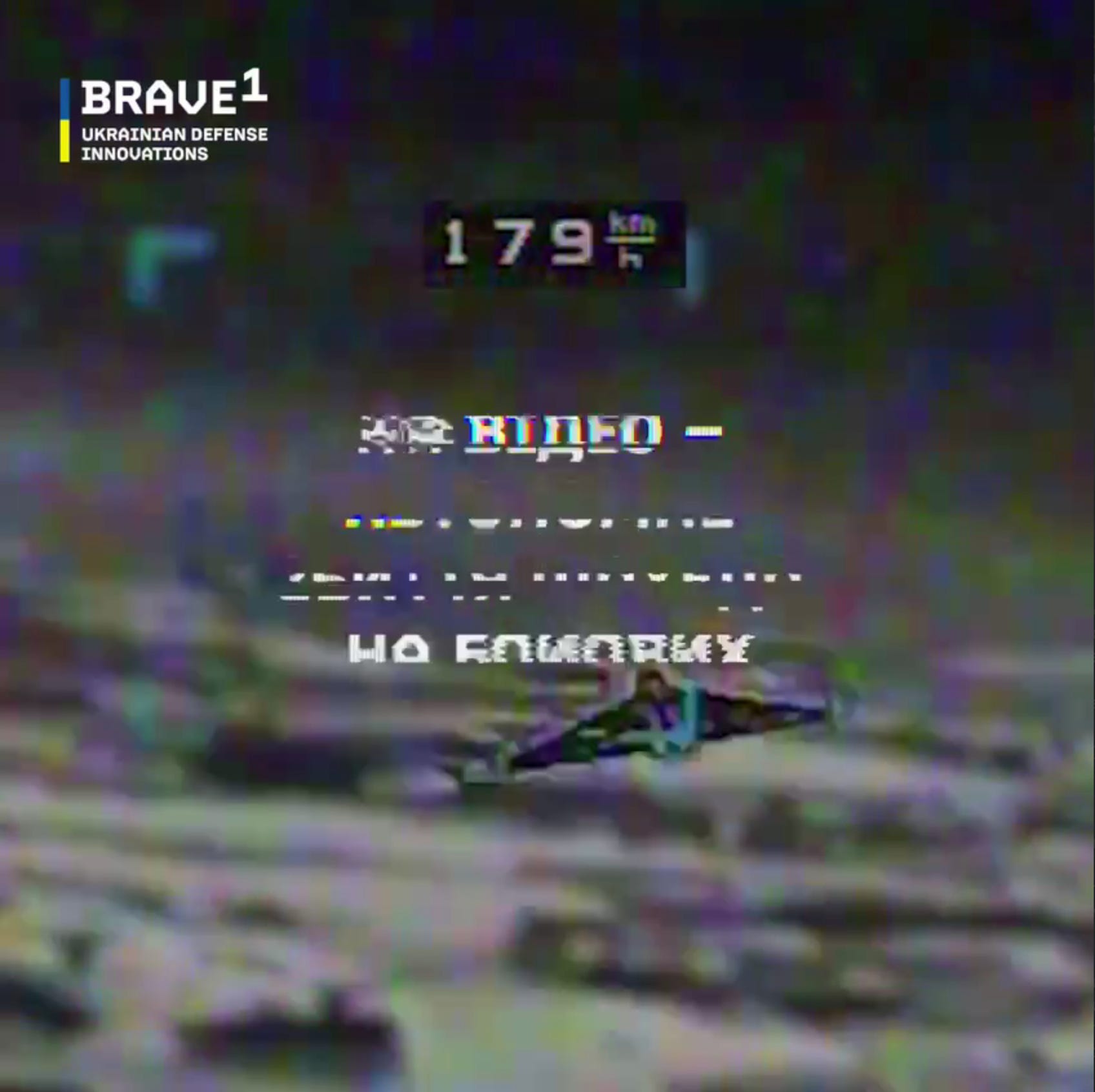
Interceptor drones, which are now (only) almost two years old as a materiel category, have come a long way already. From early variants which flew less than 200 km/h, had an operational ceiling of little above 2 kilometers and ranges in the single digit kilometers to current (known!) mass-produced variants pushing anything from >350 km/h with 20-25 kilometers worth of battery/chase, to aerostats and mothership drones to STRIX-rocket-assisted takeoff- (RATO-) kit-powered General Cherry Bullet interceptors pushing 500 km/h (plus fast ascent) in order to (theoretically; more on my doubts below) hunt Russia’s new Geran-4 deep strike drones (more on those in the next paragraphs). These performance gains put lots of pressure on flight control systems (FCS), electronic speed controllers (ECS), modems, video compressors, etc. - and the operator. Few people realize that in the field of interceptor drones, relative speed is all that counts. Meaning that, while your interceptor drone may be able to go 200 km/h, compared to a Shahed-136 at full cruise of 185 km/h, your relative speed is 15 km/h. Depending on your maximum range/flight time/battery capacity, you would need a lot of luck in order to catch the Shahed before it outruns (and outlasts) you despite its slower speed.
This is why most interceptor drones these days have to have a relative speed of >100 km/h, and why most well-performed intercepts happen at an angle, or, ideally, head-on. A head-on engagement, however, means that the speeds add up. A 300 km/h interceptor drone engaging the aforementioned Shahed head-on at full cruise speed does so at 485 km/h. It should come as little of a shock to everyone that engaging a relatively small, dark target at night at close to 500 km/h ist hard. That’s where terminal guidance comes in.
Because the skies above Ukraine can be unforgiving on a good day, higher speeds mean shorter intercept windows, and vision is often less-than-great, and Russia paints its Shaheds black (hence the use of more and more infra-red (IR) sensors), terminal guidance, which first emerged in short-range first-person view (FPV) strike drones (quadcopters), was an essential development. This type of last-mile autonomy, which helps Ukraine sustain the interceptor-to-Shahed- ratio of around 5:1 (anecdotal/human intelligence (HUMINT)) has been adopted for the interceptor class of drone, and, due to the homogeneity of the dataset (luckily for Ukraine, Russia’s centralized approach to procurement means it produces few different kinds of drones, and skies are far less complex than the ground), has caught up rapidly and subsequently outpaced FPV strike drones. Terminal guidance in FPV interceptor drones means that as soon as the drone’s on-board computer vision model/algorithm detects or reaches a certain threshold of confidence about a target drone, it locks onto it, and allows the pilot to either themselves trigger, or, in the case of loss of connection (for example due to electronic warfare (EW) measures like jamming), it auto-triggers terminal guidance to target. What happens when you integrate waypoint planning and navigation into your autonomy stack and only leave target designation to the operator? A new fixed-wing interceptor drone has been announced, today, by Ukraine’s Minister of Defense Fedorov to do just that: